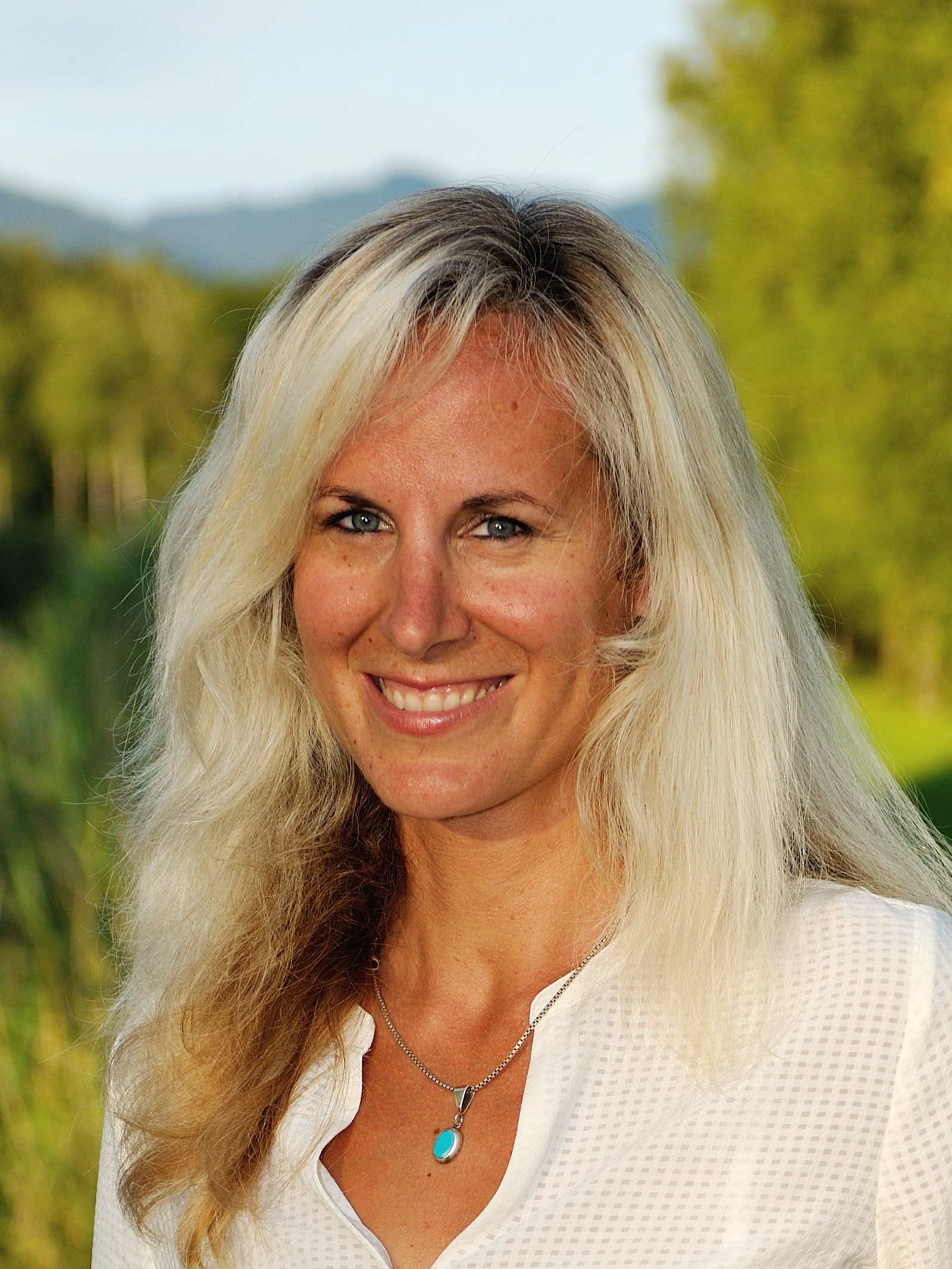
Field scientist · Researcher · Observer of dolphin society and communication
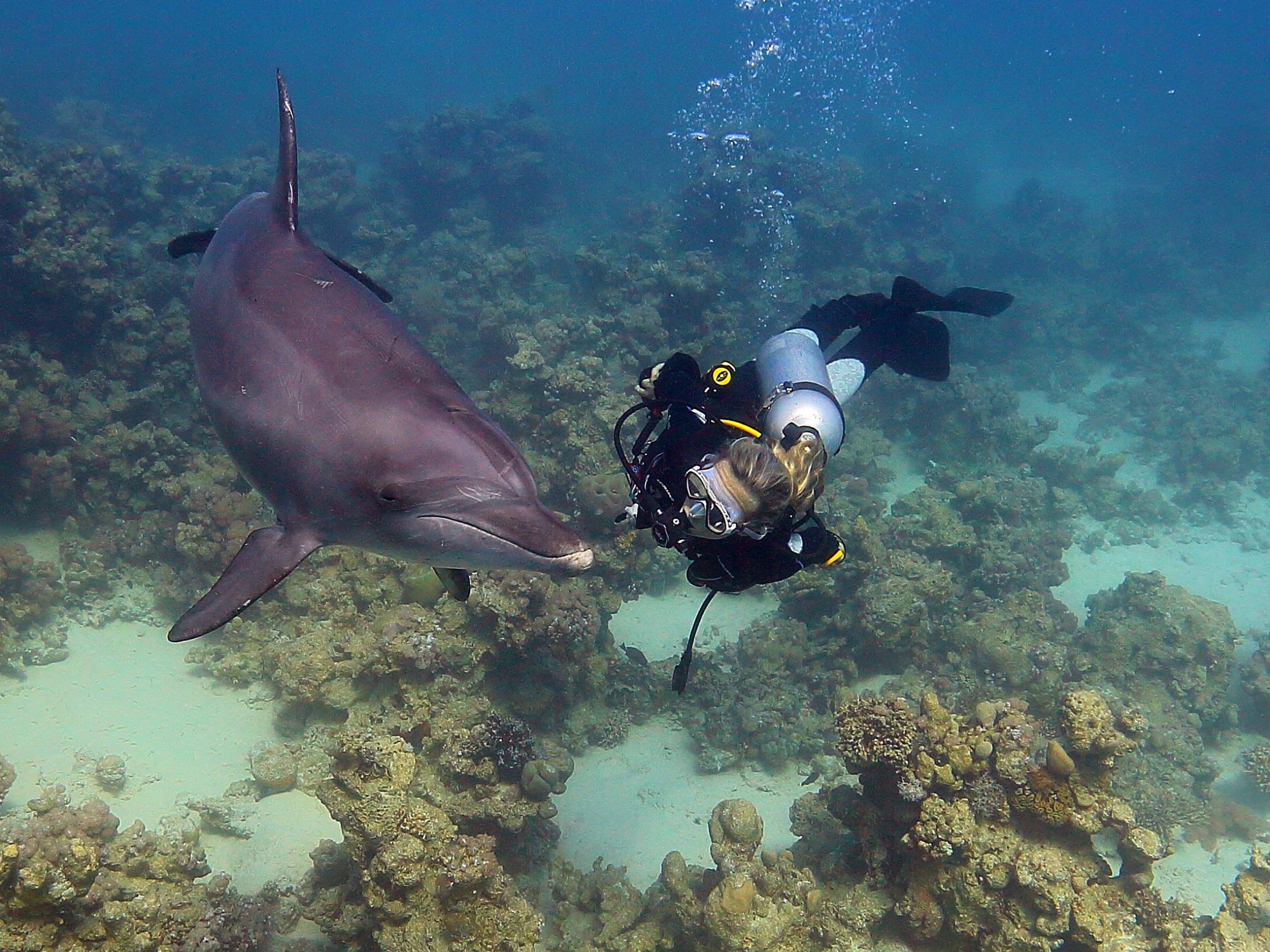
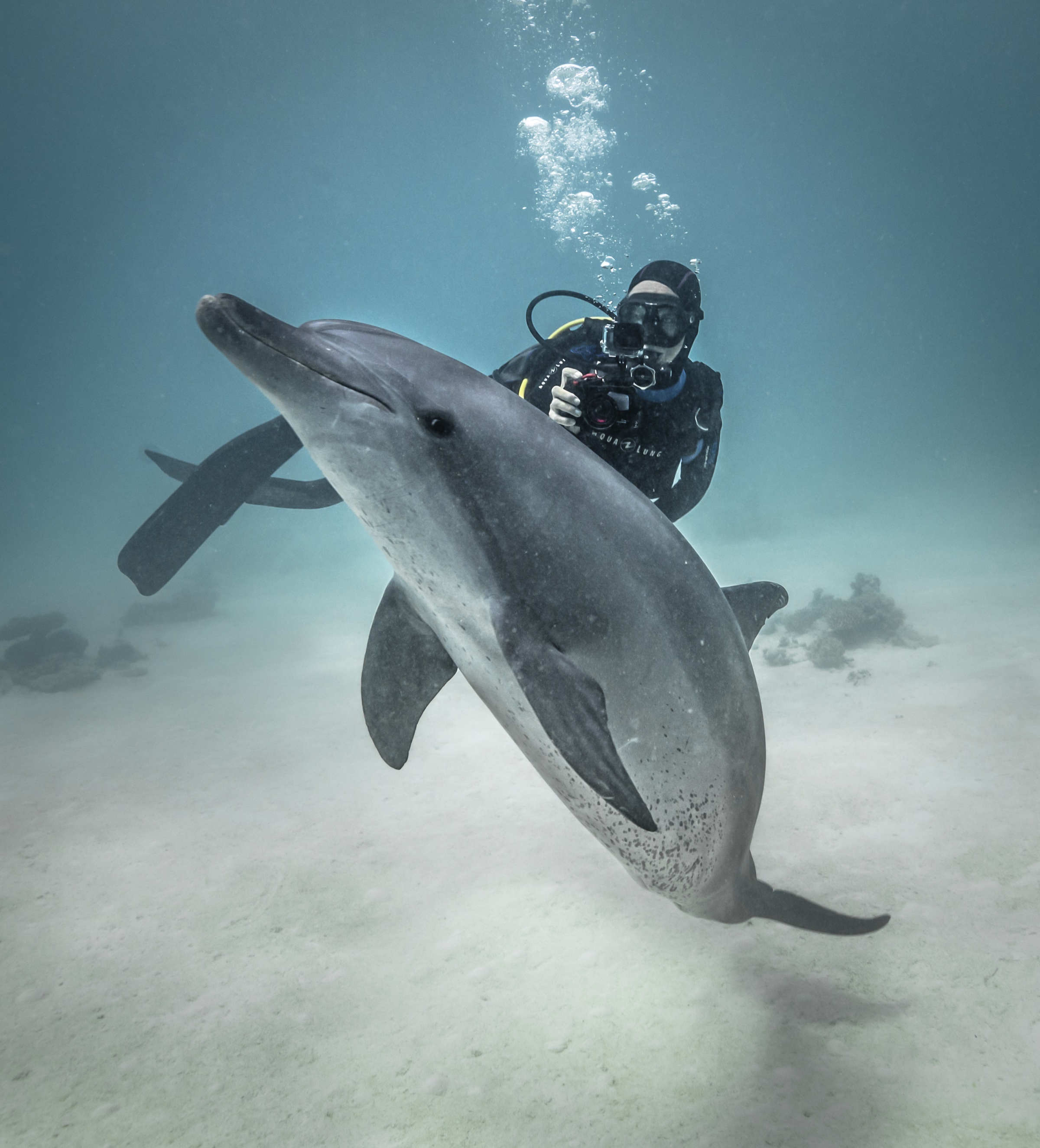
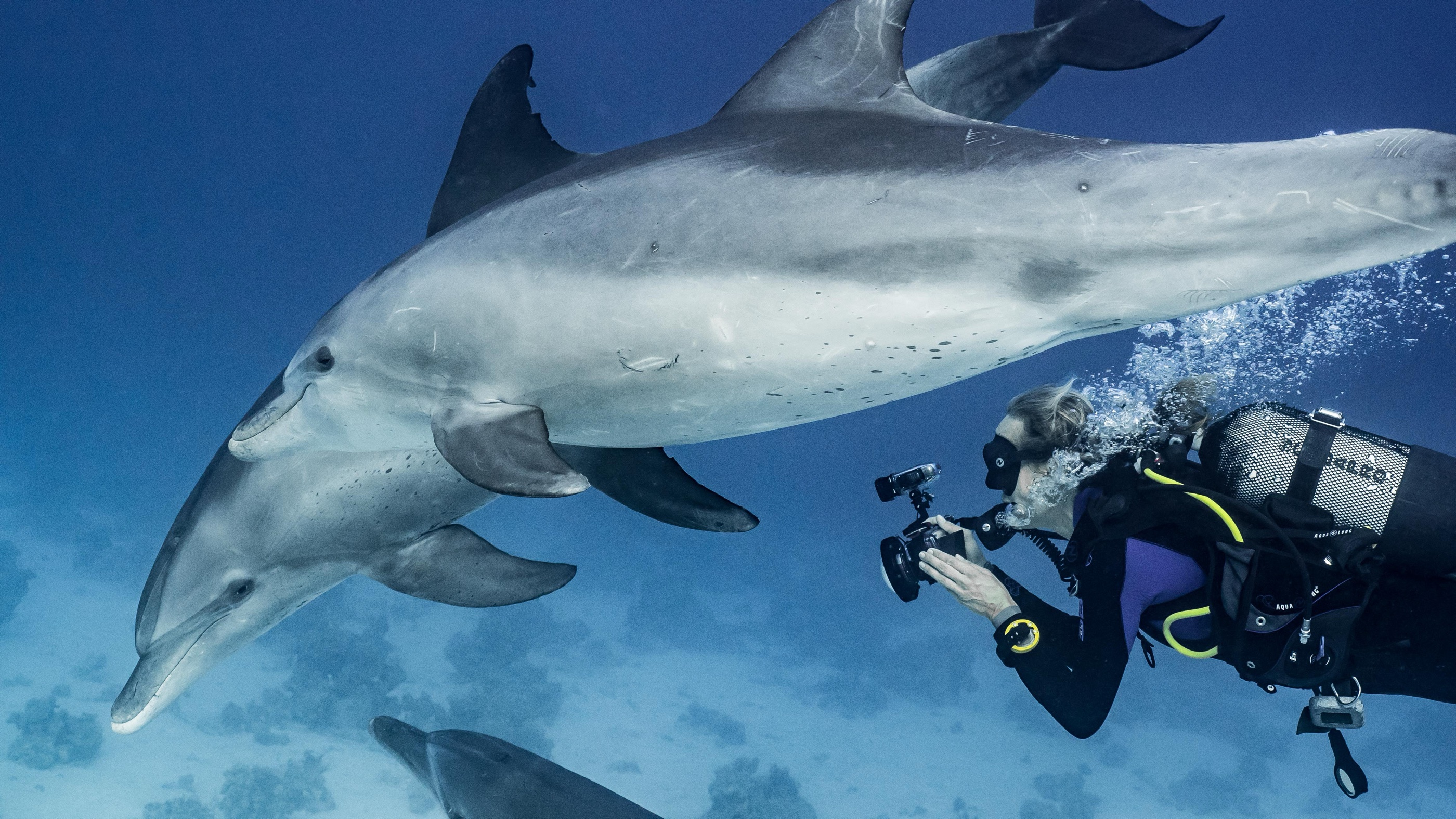
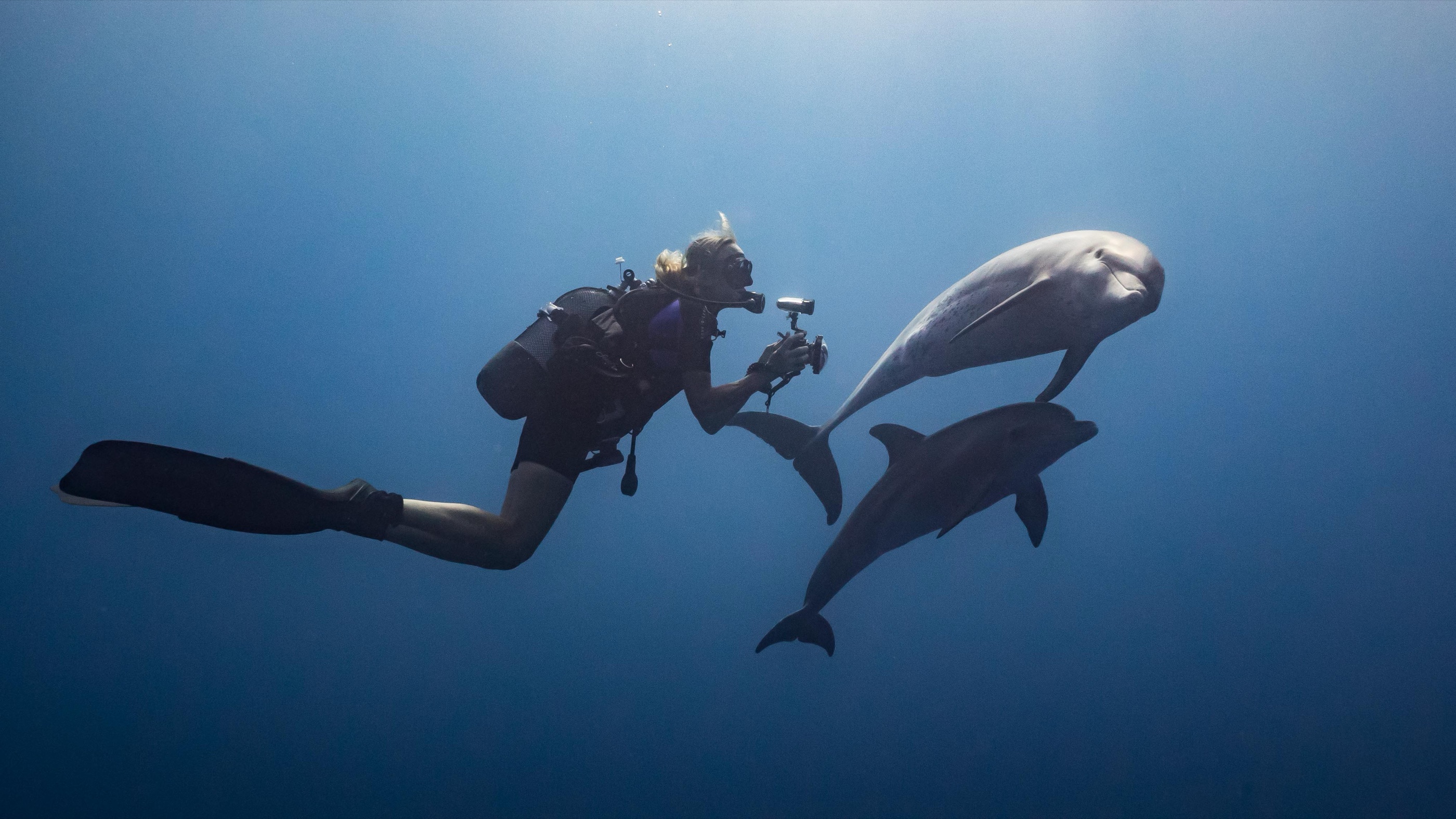
Angela Ziltener is a wildlife biologist at the University of Zurich and the founder of the Dolphin Watch Alliance. Since 2009 she has led one of the world's few long-term underwater studies of wild Indo-Pacific bottlenose dolphins, in the northern Red Sea — returning, year after year, to the same dolphin communities. Over a thousand research dives later, they know her. And she knows them: by name, by fin, by family.
The academic path, the turning points, and the first expeditions that led a Swiss biologist to a reef in Egypt — and to a question that would take decades to answer.
Years of daily fieldwork: reading the sea, earning the trust of wild animals, and the unglamorous logistics that make underwater science possible.
Why long-duration observation matters. Following the same individuals across generations builds knowledge no expedition can capture.
Observation in the water, on the animals' terms. Respect for wild dolphins is not a sentiment — it is a scientific method.
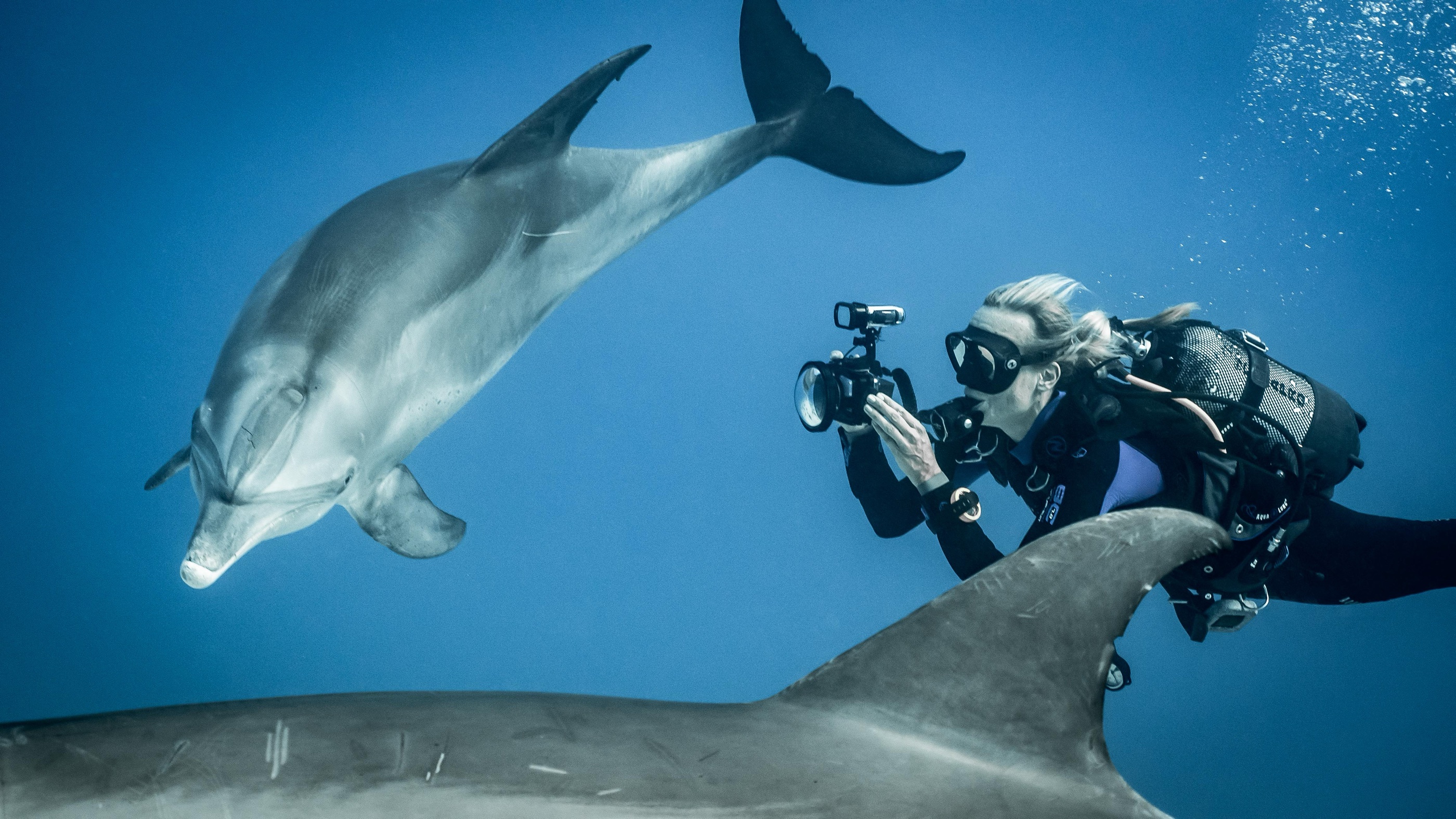
The science is what separates understanding from anecdote. Angela's work with the Dolphin Watch Alliance documents how Red Sea dolphins live — where they rest, how they raise their young, and what human presence does to both.
Which reefs dolphins choose to rest in — and why protecting those places matters more than protecting any others.
Every dorsal fin is a fingerprint. Long-term ID work makes individual life stories — and population health — visible.
Documenting the rising toll of discarded fishing gear on calves and juveniles in the northern Red Sea.
Diurnal activity patterns, sleeping behaviour — and the discovery that dolphins queue up to rub against selected corals with medicinal properties.
Signature whistles, acoustic behaviour and recognition systems — how dolphins call each other by name.
Male alliances, mothers and calves, social structure: a society sophisticated enough to deserve the word.
Misconceptions, tourism pressure, and what respectful encounters actually look like. Read the Code of Conduct →
© Helen Sampson
Underwater observation is slow, physical, weather-dependent work. Every data point is a dive; every dive is fuel, boats, permits and daylight. This is the reality of long-term marine science — and it runs on the support of people who believe it matters.
© Eric Demay
Behind every dataset are animals Angela has known for years — some since the day they were born. Each story here is anchored in scientific observation, told from the water.
© Philip HamiltonSome dolphins tolerate an observer. A few, over years, choose closeness. Sefa's story is what long-term presence in the water makes possible — and why it can never be rushed.
© Helen SampsonWhere mothers bring their newborns to rest — and what happens to a calf's chances when those sheltered bays fill with boats.
© Helen SampsonMale bottlenose dolphins form bonds that last decades. Following one alliance across the years reveals a social world of loyalty, negotiation and play.
Angela's research has been covered by international media and scientific press worldwide — from the dolphins' use of medicinal corals to the fight for protected resting bays.
Selected film appearances, podcasts and interviews about three decades of dolphin research.
Media requests →Keynotes and talks for schools, companies, destinations and scientific audiences.
Invite Angela to speak →Downloadable press material: biography, portraits and licensed dolphin photography.
Request the media kit →Dolphins queue to rub against selected corals whose mucus carries bioactive properties — published in iScience, covered by media worldwide.
Documenting rising fatal fluke entanglements with discarded fishing gear — with juveniles and calves most affected.
Long-term data on how unregulated dolphin tourism affects rest, behaviour and calf survival.
DWA's data helped establish the first protected resting area for Indo-Pacific bottlenose dolphins in the Hurghada region.
Ethical wildlife encounters are learned. Angela and the Dolphin Watch Alliance train guides, brief tourists, and teach children what respectful behaviour around wild dolphins looks like — so the animals can keep doing the one thing they need the reefs for: rest.
Every insight on this site exists because someone funded a boat, a permit, a dive. Supporting Angela's work means supporting continuous scientific observation — the kind that cannot be paused and restarted.
Support the long-term monitoring of an individual dolphin Angela's team has followed for years — and follow their story.
Adopt nowMonthly support provides the stable funding that long-term research depends on.
Join monthlyFor companies and philanthropists: fund fieldwork or conservation directly, with recognition and reporting.
Talk to us
Angela's research and conservation work runs through the Dolphin Watch Alliance, the Swiss non-profit she founded in 2011. Donations are used directly for research and conservation projects.